Pest Control: Valuable Strategies to Safeguard Your Home and Enterprise
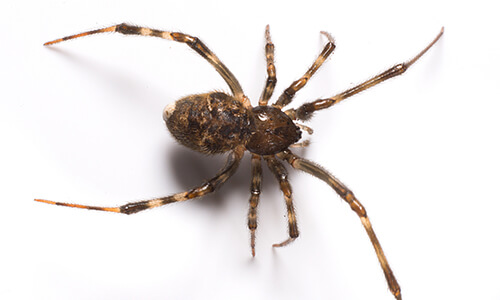
Pest Control: Practical Techniques to Shield Your Dwelling and Business
Primer to Pest Control
Pest Control encompasses the administration or organization of critters identified as pests – biological entities that adversely change individual's actions or vicinities. In New Jersey, where multiple natural systems meet residential and metropolitan advancement, effective Pest Control is not only a extravagance but a necessity for upholding clean living and vocational atmospheres. From the expansive districts of Monmouth County to the unified localities of Matawan, pest invasions can influence any person, independent of how pristine or properly cared for their house may be.
The criticality of adopting productive Pest Control methods can't be exaggerated. For property owners, pests can harm foundational strength, adulterate food supplies, and present important health dangers. Commercial entities face these equal problems, with the increased unease of standing harm and prospective forfeiture of patrons if invasions are discovered. Common pests in New Jersey contain rodents like rats and mice, multiple insects such as ants, cockroaches, and bed bugs, and the specifically detrimental termites that can noiselessly compromise a building's base.
The Purpose Pest Control Is Crucial
Health Threats of Pest Control Treatments
Countless pests transport and pass on diseases that can affect persons and pets. Rodents are recognized transporters of hantavirus, salmonella, and leptospirosis. Cockroaches can trigger asthma bouts and hypersensitivity sensitivities, specifically in kids. Ticks, copious in New Jersey's sylvan regions, are recognized for spreading Lyme disease, while mosquitoes can convey West Nile virus and Eastern Equine Encephalitis. Professional Pest Control facilitates minimize these health perils by getting rid of the basis of these prospective disease agents.
House Damage in Pest Control
The structural impairment induced by pests can be widespread and exorbitant. Termites singly produce over $5 billion in home destruction each year throughout the United States, with New Jersey homes being exceptionally defenseless due to the state's climate. Small mammals can gnaw through power cords, generating fire risks, while their constant gnawing can destroy insulation, pipes, and wooden framework pieces. Even outwardly safe ants can undermine wood structures if left unmanaged, notably carpenter ants which are prevalent in Monmouth County.
Fiscal Implications of Pest Control Services
Dismissing pest problems can produce important budgetary outcomes. What could begin as a small problem necessitating simple treatment can fast amplify into a serious predicament needing extensive remediation. For organizations, chiefly those in the food industry or guest service fields, pest problems can cause flunked health reviews, momentary stoppages, and sustained harm to name and patron belief. Putting money in standard Pest Control is not simply about instant satisfaction—it's a ongoing fiscal safety measure.
Pest Control: Frequent Residential and Organization Pests
Rats and Mice (Rats and Mice)
When it regards detecting rodent problems in your New Jersey home, carefulness is critical. You might see waste near food stocks, in cabinets, or beneath sinks. Chew marks on food enclosures, wood, and electrical cords are telltale evidence of their occupancy. At night, you may perceive abrasive clamors in partitions, ceilings, or beneath floors as these evening critters become lively. If you identify homes constructed from shredded documents, material, or dehydrated plant matter, that's a obvious evidence rodents have made themselves settled. Greasy rub marks adjacent to baseboards and dividers appear as rodents utilize the same paths frequently, while your pets may display strange behavior such as barking or scratching at locations underneath machines or furnishings where rodents seek refuge.
Rodents in New Jersey homes and businesses form several risks exceeding basic disturbance. They can taint food and making counters with microorganisms existing in their liquid waste and dung. Their perpetual need to gnaw can impair assets, especially electrical lines, which produces fire hazards. In Matawan and encircling places, the Norway rat and house mouse are notably troubling, flourishing in both metropolitan and peripheral locations. Powerful Pest Control measures are vital to manage these ruinous invaders.
Invertebrates (Ants, Cockroaches, Bed Bugs)
Insect problems exhibit themselves in assorted methods depending on the variety. Ant difficulties grow apparent when you spot perceptible ant routes leading to food sources, or when you spot tiny accumulations of earth or wood particles constructed by carpenter ants. Cockroach outbreaks often exhibit themselves through dark dung resembling coffee grounds or black pepper, a characteristic moldy aroma that saturates overrun zones, and the manifestation of egg capsules in secret corners. Bed bug problems materialize as rust-colored speckles on mattresses and furniture, shed skins near resting locations, minute blood smudges on sheets, and bothersome red protuberances on skin normally arranged in a string or congregation.
Arthropods embody the most diverse category of pests in New Jersey. Cockroaches can initiate asthma and sensitivities while spreading various microorganisms. Bed bugs, while not disease vectors, bring about notable pain, sleep disruption, and psychological anguish. Specific ant classes, like carpenter ants prevalent in Monmouth County's woodland regions, can generate foundational damage similar to termites across time. Qualified Pest Control firms can detect certain insect varieties and apply targeted treatment methods that deal with the particular mannerisms and weaknesses of each pest.
Termites
Recognizing termite movement early entails understanding the subtle signs of their manifestation. You possibly observe abandoned wings near windows and doors after swarmers have located a mate and established a new nest. Mud tubes on external surfaces, timber beams, or in crawl spaces act as sheltered highways for these destructive arthropods. Wood that rings vacant when tapped shows termites have been consuming from inside. Portals and apertures that all at once attach may demonstrate contorting from termite harm, while fissured or inflating paint resembling water damage often disguises termite operation beneath. Finding frass—termite feces comparable to diminutive wood-colored bits—gives another proof of their unwanted attendance.
Termites establish perhaps the most significant skeletal risk among all common pests. In New Jersey, the Eastern subterranean termite is prevalent and exceptionally ruinous. These bugs can persist unseen for spans while causing substantial damage to lumber foundational parts. Homes in Matawan and around Monmouth County, principally older homes, are vulnerable to termite issues. The typical charge of term pest control.
Pest Control Safety Considerations
Secure Use of Pesticides and Products in Pest Control
When pesticides become essential in your pest control method, emphasizing safety demands attention to multiple important practices that protect people, animals, and the environment. Always study and comply with product guidelines accurately, as these legal instructions demonstrate extensive evaluation and official assessment intended to reduce hazards. Utilize the minimum efficient volume of product to reach management while minimizing excess chemical addition into your living environment. Apply products only in locations indicated on the product instructions, eliminating off-label applications that may produce unexpected hazards or diminish effectiveness. Wear appropriate safeguarding gear as indicated by product producers to prevent personal exposure during application. Maintain products in their original containers with labels undamaged to keep availability to safety details and prevent confusion. Document thorough records of all applications, writing down chemicals used, mixing levels, places applied to, and times of application for subsequent consultation. Enable sufficient curing and ventilation before reoccupying serviced areas, especially important in New Jersey's weather where humidity can alter curing times. Evaluate reduced-risk substitutes when successful, as advances in pest elimination have created many reduced-risk choices that keep performance while lowering likely risks.
Defending Animals and Kids Throughout Pest Control Treatments
Particular precautions grow vital when applying pest control measures in residences with at-risk family members. Take away pets while performing application and until surfaces are set to prevent direct interaction with damp chemicals or gases that could produce bad effects. Shield or move pet meals, drinking bowls, and playthings before treatment to eliminate contamination that could lead to unintentional ingestion. Store children's toys apart from service zones, specifically items that small kids might place in their mouths. Disinfect and disinfect meal preparation areas after application, even if they were not specifically applied to, to eradicate any traces that might have gathered during service. Ensure young ones away from treated locations for the specified time, prolonging this duration for crawling infants who have increased direct interaction with floors and bottom spaces. Evaluate Capitol Exterminating System pest control New Jersey pet-safe and child-safe chemical alternatives when accessible, as many contemporary formulations aim at particular pest anatomy while minimizing mammalian poison. Most crucially, tell professional specialists about the occurrence of animals, kids, or expecting home occupants before they formulate application plans, permitting them to adapt strategies and product choices suitably.
Regulatory Standards and Compliance with Pest Control
Pest control in New Jersey works within a governmental structure built to defend community health and the environment while guaranteeing successful pest elimination. The New Jersey Department of Environmental Protection supervises pest management activities, necessitating expert pest management organizations to fulfill defined criteria. Firms must use certified specialists who have completed state tests displaying skill in pest science, service approaches, and safety guidelines. These organizations must keep proper coverage insurance defending both their professionals and their customers from potential injury or damage associated with pest elimination procedures. Rigid guidelines control chemical keeping, transport, and removal to prevent ecological contamination and unauthorized entry. Specialists must provide Safety Data Sheets upon demand, detailing the features and hazards of products employed in applications. Warning guidelines pertain for specific treatments, specifically in multiple-unit dwellings or business areas with multiple inhabitants. Comprehensive application documentation must be kept, building an review record of pest elimination activities. Moreover, only products licensed for application in New Jersey may be lawfully used, confirming that area ecological conditions and ecosystems have been reviewed in the approval system. For commercial properties in Matawan and throughout Monmouth County, supplementary guidelines may pertain relying on the business, especially for food industry, medical, and childcare buildings where pest elimination intersects with additional community wellness aspects.
Environmentally-Friendly Pest Control Options
Comprehensive Pest Control (IPM) Method
Unified Pest Management represents the gold measure in modern pest control, emphasizing on extended deterrence through a combination of approaches that limit ecological impact while enhancing effectiveness. The IPM procedure initiates with detailed examination and monitoring to determine pest infestation correctly, setting up initial data about varieties existing and population sizes. This produces accurate classification of pest types, guaranteeing management actions aim at particular patterns and vulnerabilities rather than employing universal applications. Experts set boundary levels that justify response, realizing that the mere existence of a limited creatures doesn't automatically require treatment if populations stay less than harmful numbers. When control becomes required, IPM applies several management techniques in coordination, typically commencing with safest approaches and increasing only when required. Throughout the process, specialists review effectiveness and modify methods as necessary, establishing a dynamic strategy reactive to evolving situations. Most significantly, IPM focuses on prevention over elimination, addressing structural and ambient conditions that sustain pest communities rather than just destroying current organisms. Many pest control companies in New Jersey offer IPM-based treatments that correspond with the region's initiative toward minimal-impact pest management approaches, particularly in vulnerable settings like learning institutions, health centers, and meal manufacturing centers.
Chemical-Free Management Methods
Effective pest control often incorporates alternative strategies that can address or lower pest troubles without adding pesticides into the ecosystem. Mechanical barriers such as screens, door seals, and closing eliminate pest entry totally, tackling the issue at its source. Manual methods like snares and barrier devices remove active creatures while blocking additional invasions. Organic methods containing beneficial bugs and organisms introduce natural antagonists that target certain creatures while leaving helpful insects unharmed. Management approaches change the conditions to discourage creatures, such as adjusting watering timing to reduce water that attracts certain creatures. Environment adjustment minimizes refuge and food options, rendering areas decreased favorable to problematic inhabitants. For specific creatures like bed bugs, thermal procedures deliver highly successful control without harmful traces by increasing heat past the thermal killing limit for all growth stages of the intended pest. Likewise, freezing procedures for kept product insects like food beetles or food storage pests can eradicate infestations in food goods without harmful contamination. These approaches show particularly beneficial in New Jersey's different settings, where proximity to marine systems, safeguarded ecological regions, and thick population areas generates multiple scenarios where synthetic decrease grows beneficial or required.
Eco-Conscious Pest Control Treatment Approaches
The pest control business maintains to develop toward more environmentally-friendly procedures that maintain effectiveness while reducing surrounding impact. Plant-based pesticides extracted from natural compounds like chrysanthemum extract, neem, and aromatic essences provide precise management with reduced persistence in the environment. Living pesticides having bacteria, fungi, or pathogens that aim at particular pest insects deliver specificity that typical universal chemicals can't compare to. Reproductive modifiers that prevent pest mating by blocking with life cycle processes deliver sustained population suppression without direct poisonous effects on developed pests. Chemical tools that watch or interrupt pest mating help figure out when control becomes needed and can block procreation in specific types. The field more and more adopts lower-risk pesticides with small ecological footprint, shifting apart from older products with more extensive effects on unintended creatures. Targeted delivery equipment that decrease complete chemical application apply treatments specifically where essential rather than broadcasting materials around broad spaces. Eco-friendly approval systems for pest treatment firms determine standards for environmentally preferable care and give customers with clear recognition of companies committed to eco-conscious procedures. In environmentally critical areas of New Jersey, containing portions of Monmouth County with closeness to water systems, these environmentally-friendly strategies are particularly beneficial for safeguarding both individual wellness and natural systems while still offering successful pest treatment.
Finding a Local Pest Control Service Provider in New Jersey
Capitol Exterminating System
272 NJ-34
Matawan, NJ 07747
(732) 441-1900
Often Asked Inquiries (FAQs) about Pest Control
How often should pest control be carried out?
For most New Jersey homes, quarterly pest control provides adequate safeguarding against cyclical pest threats. This routine aligns with the local separate cycles, each producing separate pest difficulties that need proactive consideration. Springtime procedures typically handle emerging ant populations and dormant creatures becoming mobile. Warm season applications concentrate on mosquitoes, ticks, and multiple airborne bugs that prosper in hotter temperatures. Cool season procedures arrange houses for small mammals and hibernating insects seeking refuge as weather fall. Cold season procedures keep defense against internal organisms while dealing with mouse and rat problems at its greatest. However, this timing may rise for homes with certain hazard conditions or persistent issues that demand greater comprehensive management. Residences adjacent to tree-covered regions in Monmouth County may advantage from further parasite and mosquito procedures within peak periods. Structures with past of particular pest issues often call for focused subsequent applications past the regular every three months frequency. Business properties, particularly dining service facilities in areas like Matawan, regularly demand every month service to preserve agreement with health requirements and stop issues that could harm credibility and commercial operations.
Is specialist pest control harmless for animals?
When executed properly, professional pest control can be protected for pets through careful product choosing and treatment methods that reduce contact. Modern specific employment approaches and safer materials have considerably bettered protection characteristics against traditional pest handling approaches. Current applications frequently use mixtures especially designed to have minimal danger to mammals while remaining effective against designated organisms with alternative body systems. Expert technicians receive preparation in treatment techniques that put substances in spots animals cannot get to, such as structural gaps, splits and gaps, or behind devices. Though, companions should be moved while performing service and until all applications have cured entirely, following individual rest intervals suggested by the chemical maker and specialist. Fish containers should be protected and oxygen pumps turned off while performing treatment to stop infection from suspended matter. Pet belongings containing sleeping areas, playthings, and nutrition containers should be moved or protected throughout procedure. Review any questions with your pest control company, who can propose correct waiting intervals considering the individual applications applied and adapt strategies for homes with especially susceptible pets like avians or reptiles that may have different biological vulnerabilities than felines and dogs.
What are the symptoms of a major pest infestation?
Apart from visible organisms directly, multiple alert signs show potentially serious invasions needing urgent pest control treatment. Uncommon aromas commonly develop with large issues – musty, greasy aromas may show small mammals, while sweet, almond-like odors occasionally accompany German insect communities. Unknown construction deterioration like drooping floors, rising surface, or crumbling material may show wood-destroying insect activity or wood-boring ant infestations ruining structural components. Peculiar disturbances within partitions or lofts, particularly at night, regularly suggest small mammal movement as these dark-active creatures turn active in hidden locations. Excessive powder appearing as tiny sawdust around wooden parts may truly be frass or feces from wood-destroying pests. Some residences have puzzling health problems like breathing issues or scratching that disappear when absent from property, likely showing creature invasions affecting interior atmosphere condition. In New Jersey residences, focused attention should be paid to basement and crawlspace locations where dampness issues can encourage pest colonies, particularly in established houses throughout Monmouth County where support splits and deteriorating material offer various access points. Finding several lifeless creatures of the similar variety suggests a greater community near, while fat marks beside wall bases suggest established rodent trails with frequent use.
Can I stop organisms without pest control substances?
Certainly, numerous creatures can be stopped through proper sanitation, prevention, and environment modification without employing chemical interventions. The base of non-toxic pest control initiates with comprehensive blocking procedures – sealing openings, openings, and openings that allow insects to invade homes in the starting position. Installing entry strips, mending broken mesh, and closing utility penetrations removes usual access spots. Getting rid of nutrition resources through correct meal containment in tight receptacles, prompt cleaning of messes and pieces, and consistent refuse removal significantly reduces magnets that draw organisms interior. Minimizing water by mending dripping pipes, bettering airflow in moist locations, and dealing with runoff issues stops the liquid supplies various creatures call for. Sustaining a buffer region around structures by pruning foliage, clearing leaf material, and maintaining wood raised and separate from properties reduces shelter areas and entry places. Applying solid obstacles like metal wire or steel stuffing to seal more significant gaps offers long-term barrier protection for small mammals and rodents. Regular cleaning that includes suction cleaning gaps and spaces takes away creature offspring and feeding matter that sustain pest development. For present infestations, nonetheless, some type of management material may be required to fix established problems, though many lower-risk choices are accessible featuring diatomaceous powder, boric compound, and pest-killing solutions that supply lowered risk relative to typical products.
What should I expect during qualified pest control procedure?
A specialist pest control service commonly commences with a comprehensive assessment to recognize pest varieties, access locations, and conducive situations adding to the issue. The technician should use time inspecting both indoor and outside locations, giving specific focus to cooking areas, wash areas, cellars, and edge foundations where pest behavior commonly gathers. Following this assessment, the professional should clarify their discoveries in completeness and suggest a application approach customized to your particular circumstances, addressing both the specific organisms and the approaches proposed for treating them. You may be given setup directions before application, likely featuring relocating belongings, clearing certain areas, or protecting animals. In the course of the application, the specialist will employ appropriate materials to targeted areas considering the pest varieties recognized, focusing on gaps, crevices, and pest shelter zones rather than broadcasting treatments throughout full surfaces. They may place surveillance systems like creature devices or food devices that help track advancement and supply sustained safeguarding. After concluding procedures, a specialist should clarify any subsequent guidelines such as airflow requirements, re-entry durations, or locations to wash. Before leaving, they should arrange follow-up appointments if necessary for notably challenging organisms like sleeping pests or German cockroaches that usually require multiple services for complete destruction. During this method, professionals should welcome inquiries and provide clear data about the products and procedures applied, reflecting their training and commitment to both efficiency and safety.
Productive pest control is an vital part of keeping sanitary, secure residential and professional spaces in New Jersey. From the moist warm seasons that produce flying insects and blood-sucking insects to the chilly periods when small mammals look for shelter within, pest pressures persist a annual issue for occupants and enterprises in Monmouth County and Matawan. By understanding common creatures, applying proactive actions, and understanding when to obtain qualified assistance, structure owners can defend their properties and the wellbeing of residents.
Using a anticipatory approach to pest control is constantly more efficient and cost-effective than reacting to active invasions. Routine examinations, proper preservation, and addressing small concerns before they escalate can eliminate the considerable expenses and disruptions associated with significant pest troubles. When qualified help becomes required, picking a trustworthy, qualified pest control company who employs comprehensive pest treatment strategies ensures efficient results with reduced surrounding influence.